

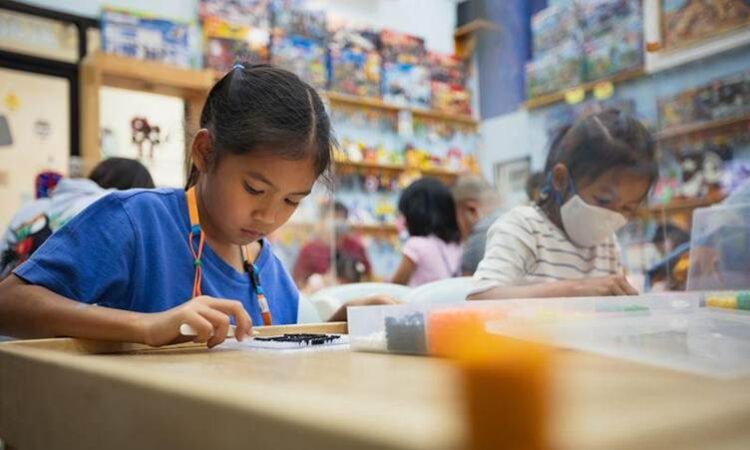

Starting preschool marks a crucial change for both children and parents. Families often explore different early education options, including a kindergarten in Singapore that follows the Montessori approach. Preparing your child for a Montessori preschool in Singapore involves more than meeting enrolment requirements. It requires gradual adjustment, clear expectations, and practical preparation to support a smooth start.
What Is the Montessori Preschool Environment?
A Montessori preschool in Singapore focuses on independence, self-directed learning, and hands-on activities. Children engage with materials that encourage problem-solving, coordination, and concentration. Unlike a traditional kindergarten in Singapore that may follow a fixed daily structure, Montessori classrooms allow children to choose activities within a prepared environment. This approach supports autonomy while maintaining clear boundaries.
Parents can prepare children by introducing simple routines at home that mirror Montessori principles. Encouraging children to tidy up after activities, choose their own clothes, or complete small tasks independently helps them adapt more easily to preschool. These habits build confidence and familiarity with the expectations they will encounter in a Montessori setting.
Supporting Emotional and Social Readiness
Emotional readiness plays a key role when transitioning into a Montessori preschool in Singapore. Children may experience separation anxiety or uncertainty during the first few weeks of the program. Parents can address this by discussing school positively and explaining daily routines in simple terms. Visiting the school environment beforehand can also help children feel more comfortable.
Social skills matter as well. Montessori classrooms encourage collaboration and respectful communication. Parents can support this by arranging play opportunities that involve sharing, turn-taking, and listening. These experiences help children interact confidently with peers and adults in a kindergarten.
Building Independence Before School Starts
Independence forms a core part of Montessori education. Children benefit when they can manage basic tasks without constant adult intervention. Parents can support this by allowing children to feed themselves, pack simple items, or manage personal belongings. These activities strengthen motor skills and decision-making abilities.
In a kindergarten in Singapore that adopts Montessori methods, teachers guide rather than instruct directly. Children who already practise independence often adjust faster. Preparing your child to ask for help when needed, while still attempting tasks independently, helps them feel secure in a new school environment.
Introducing Practical Life Skills at Home
Practical life activities prepare children for daily routines in a Montessori preschool in Singapore. These activities include pouring water, using child-safe utensils, or arranging personal items neatly. Practising these skills at home helps children develop coordination and focus.
Parents should allow children time to complete tasks at their own pace. Rushing or correcting too quickly may reduce confidence. A supportive approach fosters patience and resilience, both of which contribute to a smoother transition into the structured learning environments commonly found in kindergartens in Singapore.
Encouraging Early Communication and Language Confidence
Language development supports a child’s ability to express needs, follow instructions, and engage with others. Parents can encourage communication by speaking clearly, listening attentively, and allowing children time to respond. Reading together and discussing daily activities help expand vocabulary naturally.
In a Montessori preschool in Singapore, teachers encourage children to communicate respectfully and confidently. Children who feel comfortable expressing themselves often adapt more easily to classroom routines. Naming objects or describing actions supports language confidence before school begins.
Aligning Home Routines with School Expectations
Consistent routines help children feel secure. Establishing regular sleep, meal, and play schedules before school begins prepares children for structured days. Montessori environments value predictability alongside freedom, making routine an important factor in adaptation.
Parents may also introduce quiet activities that encourage concentration, such as puzzles or reading. These activities reflect classroom expectations and help children adjust to focused learning periods. Schools such as Raffles Kidz International often share orientation guidelines that help families align home routines with school practices.
Conclusion
Preparing your child for a Montessori preschool in Singapore requires practical steps that support independence, emotional readiness, and routine development. By understanding the Montessori approach and gradually introducing relevant skills at home, parents can help children adapt confidently. Thoughtful preparation ensures a smoother transition into early education and supports long-term learning habits.
Contact Raffles Kidz International to learn how they can support children during their early learning journey.