

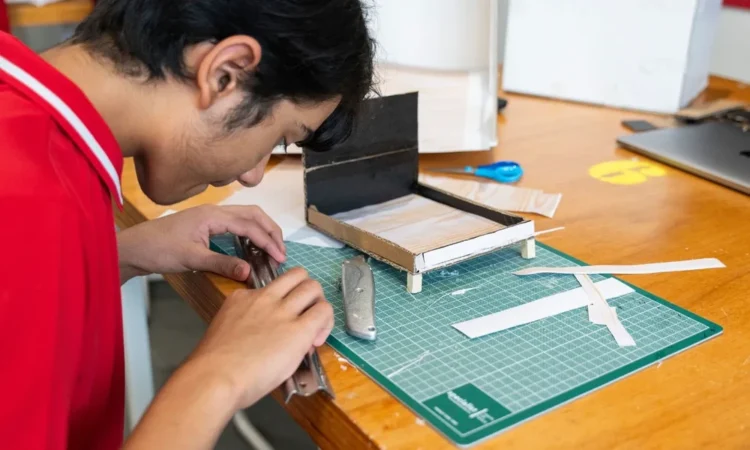

Academic confidence develops when learners manage real responsibility. In an ib school, demanding coursework gives students regular chances to make choices, test ideas, and correct mistakes. Each task can become a small lesson in self-management. Research requires planning before meaningful progress begins. Reflection then helps learners notice what needs changing. Over time, those habits shape a calmer approach toward complex academic work.
Challenging Lessons Encourage Personal Responsibility
A demanding lesson rarely ends with memorized information alone. Students need to question evidence, organize thoughts, and explain conclusions. This process gives ownership a practical meaning. When an assignment feels difficult, the learner must decide what comes next. That choice can involve research, revision, or seeking guidance. Gradually, decision-making becomes part of ordinary study.
Can Inquiry Change Learning Habits?
Inquiry gives students a reason to explore beyond instructions. A question starts the process, while evidence guides the next step. For example, a science task might require observations before conclusions. Those observations can reveal gaps in the original approach. The learner then adjusts the method and continues. Such experiences make independent thinking feel useful rather than forced.
Reflection Helps Students Improve Their Approach
Reflection becomes valuable when feedback leads somewhere specific. Students can review an essay and identify weak reasoning. Next, they can compare that weakness with earlier work. This creates a clear connection between effort and improvement. At an ib school, reflective practice can also support better planning for future assignments. The learner begins seeing mistakes as information for the next attempt.
What Daily Habits Support Independent Study?
Strong study habits reduce confusion when workloads become demanding. Students can create routines that leave room for changing priorities. A useful approach might include these practical actions:
- Students can divide large projects into smaller milestones.
- Learners can record questions before requesting assistance.
- Regular reviews can reveal unfinished academic tasks.
- Personal targets can guide focused revision sessions.
These habits matter because independence needs structure. Without structure, freedom can become difficult to manage.
Real Projects Connect Knowledge With Decisions
Project work gives academic ideas a practical setting. A business task might require costs, evidence, and ethical choices. An environmental project could involve observations and collected measurements. Each example asks students to decide which details matter most. Those decisions strengthen judgment because learners must support choices with reasons. The experience also makes classroom knowledge easier to apply elsewhere.
Academic Independence Supports Future Study
University learning often requires greater personal direction. Students must manage reading, deadlines, research, and competing responsibilities. A challenging curriculum can provide practice before those demands arrive. The learner who plans research milestones already understands staged progress. Someone who studies feedback can adjust without constant supervision. That preparation makes academic responsibility feel familiar rather than sudden.
Small Decisions Shape Stronger Academic Habits
A research project becomes more useful when each milestone carries purpose. Students learn to check sources, revise arguments, and monitor deadlines. Those actions may seem ordinary during classroom work. Yet repeated choices gradually change how learners approach uncertainty. The finished project matters, but the planning behind it carries further value.
FAQs
How does IB encourage independent learning?
IB encourages students to investigate questions, manage tasks, and reflect upon progress.
Why does reflection matter during demanding coursework?
Reflection helps learners recognize weak methods and choose stronger approaches later.
Can project work develop better decision-making skills?
Yes, practical projects require students to assess information and justify choices.
Does independent learning help with university preparation?
It builds habits for research, planning, revision, and sustained academic responsibility.