

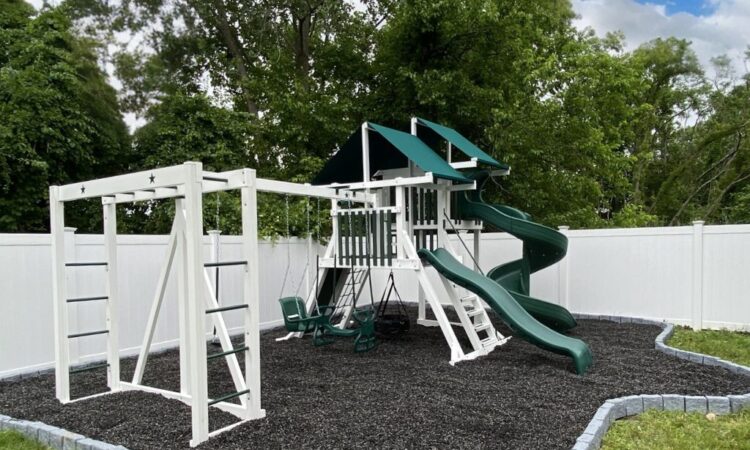

Creaking plastic, faded colors, and rusted bolts, these are the relics of playgrounds past. Today’s high-end playground equipment is in a league of its own, engineered for longevity, safety, creativity, and, most importantly, the kind of play that leaves a mark on communities and childhoods alike. Yet, misconceptions hold many back from investing in quality. Let’s break the myths wide open and reveal why next-generation playgrounds truly matter.
Myth 1: High-End Playground Equipment Is Just About Luxury
Defining High-End: Beyond Aesthetics
A common misconception is that premium playground sets are all flash and no function. Yet, high-end does not mean ostentatious. Instead, it refers to thoughtful design, robust engineering, and features that stand the test of time, not just visually, but physically. A well-designed playground becomes a community landmark, not simply a bright structure among the trees.
The Role of Functionality in Premium Design
Functionality is the heart of top-tier playground design. It’s about how kids interact with equipment: climbing, balancing, spinning, and swinging in ways that foster both fun and developmental growth. High-end playgrounds seamlessly blend challenge and accessibility, inviting every child to explore limits safely.
How Quality Materials Elevate Longevity
It’s not just about looking good on day one. Stainless steel slides, rust-resistant hardware, and UV-stable plastics ensure that years of sun, rain, and energetic play do not wear equipment down. This longevity means fewer repairs, less waste, and a better return on investment for municipalities and schools.
Myth 2: Safety Is Compromised for Complex Designs
Integrating Safety Standards in Innovative Structures
Can challenging play coexist with safety? Absolutely. True innovation incorporates rigorous safety standards from the first sketch. Modern commercial equipment is engineered to reduce fall heights, soften edges, and eliminate entrapment hazards, all while offering the thrill kids crave.
Real-World Examples of Safe Yet Challenging Play Elements
Consider the agility playgrounds at Crestwood School in Toronto or the fully accessible structures at West Rouge Park. These installations mix overhead climbing, spinning features, and musical play, with every element tested and certified against the latest Canadian and U.S. standards.
The Importance of Regular Safety Audits and Maintenance
Even the best equipment needs regular checkups. Scheduled safety audits and routine maintenance are critical to ensuring that wear and weather don’t compromise integrity. Proactive care prevents small issues from becoming safety hazards, safeguarding kids and reputations alike.
Myth 3: Accessibility Limits Design Creativity
Designing Inclusive Playgrounds Without Sacrificing Appeal
There’s an outdated belief that accessible playgrounds must be boring or “dumbed down.” In reality, true inclusion sparks creativity. Ramps, ground-level features, and sensory elements like musical stations expand what’s possible, offering vibrant, multi-sensory experiences for all users.
Case Studies of Fully Accessible, Engaging Play Structures
Newmarket’s Rootz playstructure and E.J. Sands Public School’s combination agility-slide unit set new standards. These playgrounds incorporate accessible ramps, tactile panels, and spaces for children with mobility devices, all without sacrificing challenge or beauty.
Meeting and Exceeding AODA and ADA Compliance
Laws like Ontario’s AODA and the ADA in the U.S. set the minimum bar, but leaders in the field aim higher. Exceeding these standards means more children can participate, families feel welcomed, and communities reap social benefits that far outlast the equipment itself.
Myth 4: Durable Playground Equipment Means Expensive Upkeep
Material Choices That Minimize Maintenance Costs
Durability does not require constant repairs or specialized care. Choosing powder-coated steel, high-density polyethylene, and weatherproof composite materials means playgrounds can withstand harsh winters and blistering summers with minimal attention.
Protective Surfaces and Their Role in Equipment Longevity
The surface beneath the equipment is just as important as what’s above. Impact-absorbing turf and engineered wood fiber not only reduce injury risk but also protect structures from ground moisture and erosion, reducing long-term costs.
Smart Installation Practices That Reduce Long-Term Expenses
Investing in professional installation, proper drainage, and clear site planning prevents issues like shifting foundations and water pooling. These practices protect both equipment and users for years to come.
Myth 5: Commercial Playground Equipment Lacks Customization
Embracing Custom Designs for Unique Community Needs
No two parks are the same, and the right playground partner knows it. Modular layouts, color selection, and themed features allow communities to tell their own stories, whether that’s a butterfly motif in Ken Sturgeon Butterfly Park or musical zones at West Rouge Park.
Collaborating with Designers, Schools, and Municipalities
The most impactful playgrounds are born from collaboration. Designers work hand-in-hand with educators, park officials, and even students to balance vision, budget, and site needs for a truly one-of-a-kind result.
Modular Components for Flexible Play Options
Modular systems empower communities to adapt. Want to expand next year? Swap out a slide or add an overhead challenge unit? Modular designs make it easy, reducing both costs and downtime.
Myth 6: Safety Signage and Rules Are Secondary Concerns
Crafting Clear, Effective Safety Communication
A beautiful playground can lose its magic if families are confused or feel unsafe. Custom safety signs, like those seen in Oshawa’s accessible play structure, set expectations quickly and support confident exploration.
Educating Users While Enhancing Playground Aesthetics
Signage need not be an eyesore. Thoughtful designs seamlessly integrate with the surroundings, reinforce positive behavior, and even include playful, engaging icons for young readers.
Legal Requirements and Best Practices for Signage
Meeting legal requirements for safety communication mitigates liability and ensures compliance with regional safety codes. Clear language, durable materials, and strategic placement are non-negotiable.
Myth 7: Playgrounds Are Just for Kids’ Entertainment
The Lasting Impact on Child Development and Community Health
Playgrounds are more than a diversion, they are engines for growth. Physical activity, risk-taking, and social interaction all contribute to stronger bodies, sharper minds, and resilient spirits.
Encouraging Physical, Social, and Cognitive Growth Through Design
Inspiring playgrounds are designed for more than running and sliding. Climbing walls build strength and coordination, musical features foster collaboration, and themed spaces spark imaginative play. The result: kids who problem-solve, cooperate, and thrive.
How Multi-Age and Sensory Play Features Add Value
Inclusive, multi-age zones (such as those for ages 2-12 in Greystone Park) ensure siblings, peers, and even parents can play side by side. Sensory elements like tactile panels and musical stations engage children with diverse abilities, creating a richer community hub.
—
Next time you see a vibrant, thoughtfully designed play structure, remember it’s the product of intentional choices, not indulgence. Investing in high-end, safe, and inclusive playground equipment is about building resilient communities and unforgettable childhoods. For those seeking inspirational, high-quality options, exploring Inspire Play playground equipment is a great starting point. The playgrounds children remember aren’t defined by price tags or trends, they’re built to last, welcome everyone, and make a difference that endures.