

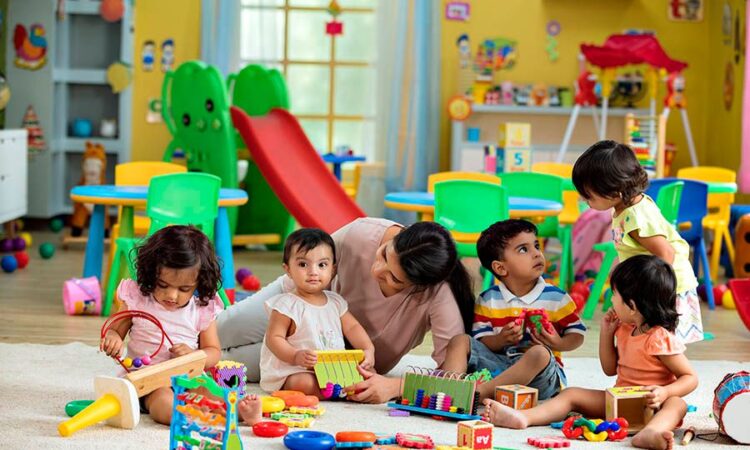

Young children need clear boundaries. They also need warmth and understanding. Finding this balance shapes how they learn to behave and interact with others.
A trusted preschool in Singapore creates an environment where children feel safe to explore whilst knowing what’s expected. The approach matters as much as the rules themselves.
Why Boundaries Matter for Young Children
Children thrive when they understand limits. Clear expectations help them feel secure in their surroundings.
Without guidance, young ones can feel anxious and uncertain. They don’t yet know how to manage big feelings or navigate social situations alone.
Good boundaries teach self-control. They show children how to respect others and make appropriate choices.
The key is setting these limits with kindness rather than harshness. Punishment creates fear. Gentle guidance builds understanding.
Speaking at Eye Level
Teachers who crouch down to speak with children show respect. This simple act makes a huge difference.
Eye contact helps young ones feel heard. They’re more likely to listen when they don’t feel talked down to.
Voice tone matters too. A calm, firm voice works better than shouting. Children respond to confidence, not volume.
Explaining reasons behind rules helps children understand. “We walk inside so nobody gets hurt” makes more sense than just “Don’t run.”
Redirecting Rather Than Punishing
When a child makes a poor choice, skilled educators redirect their attention. They guide them towards better behaviour.
Imagine a child grabbing toys from others. Instead of scolding, a teacher might say: “Let’s ask if we can have a turn.”
This approach teaches the right behaviour. It doesn’t just stop the wrong one.
Time-outs can work when used thoughtfully. They give children space to calm down, not a corner to feel ashamed in.
A trusted preschool in Singapore uses these moments as learning opportunities. The goal is teaching, not controlling through fear.
Creating Consistent Routines
Children feel secure with predictable schedules. Knowing what comes next reduces anxiety and behaviour problems.
Morning circles, snack times, and play periods follow patterns. This structure helps young ones manage their own behaviour better.
Consistency between teachers matters too. When all adults enforce the same expectations, children aren’t confused by mixed messages.
Parents appreciate this approach. What children learn at school can carry over at home.
Acknowledging Feelings Whilst Setting Limits
Young children experience intense emotions. They haven’t learned to manage them yet.
Teachers can acknowledge these feelings whilst maintaining boundaries. “I see you’re angry, but we don’t hit” validates emotion whilst correcting behaviour.
This teaches emotional literacy. Children learn to name what they feel and express it appropriately.
Sometimes children need a quiet space to process big feelings. Having a cosy corner with soft cushions helps them settle.
Building Positive Relationships
Children behave better for adults they trust. Strong connections make guidance more effective.
Teachers who take time to know each child can respond to their unique needs. Some children need gentle reminders. Others respond to simple looks.
Warm interactions throughout the day build this trust. Greeting children by name, showing interest in their play, and offering comfort when needed all contribute.
When children feel valued, they want to meet expectations. They’re not just following rules out of fear.
Teaching Problem-Solving Skills
Rather than solving every conflict, good educators help children work through disagreements. This builds crucial life skills.
“What could we do to fix this?” encourages thinking. Children learn to consider solutions and consequences.
Role-playing social situations helps too. Acting out sharing or asking for turns makes these concepts concrete.
A quality preschool in Singapore prepares children for real-world interactions. These skills extend far beyond the classroom.
Partnering With Parents
Families and schools work best as partners. Sharing information about guidance approaches helps everyone stay consistent.
When parents understand the methods used, they can apply similar techniques at home. Children benefit from this continuity.
Regular communication keeps everyone informed. Teachers might share specific strategies that work for individual children.
This collaboration shows children that adults in their lives are united. It reinforces the importance of boundaries and kind behaviour.
The Long-Term Impact
Children who experience kind, firm guidance develop self-discipline. They learn to make good choices independently.
This foundation affects their entire education journey. Children who understand boundaries adapt better to school expectations.
They also develop stronger social skills. Knowing how to interact respectfully opens doors throughout life.
Finding a trusted Singapore preschool that prioritises this balanced approach sets children up for success. The early years shape how they see themselves and relate to the world around them.